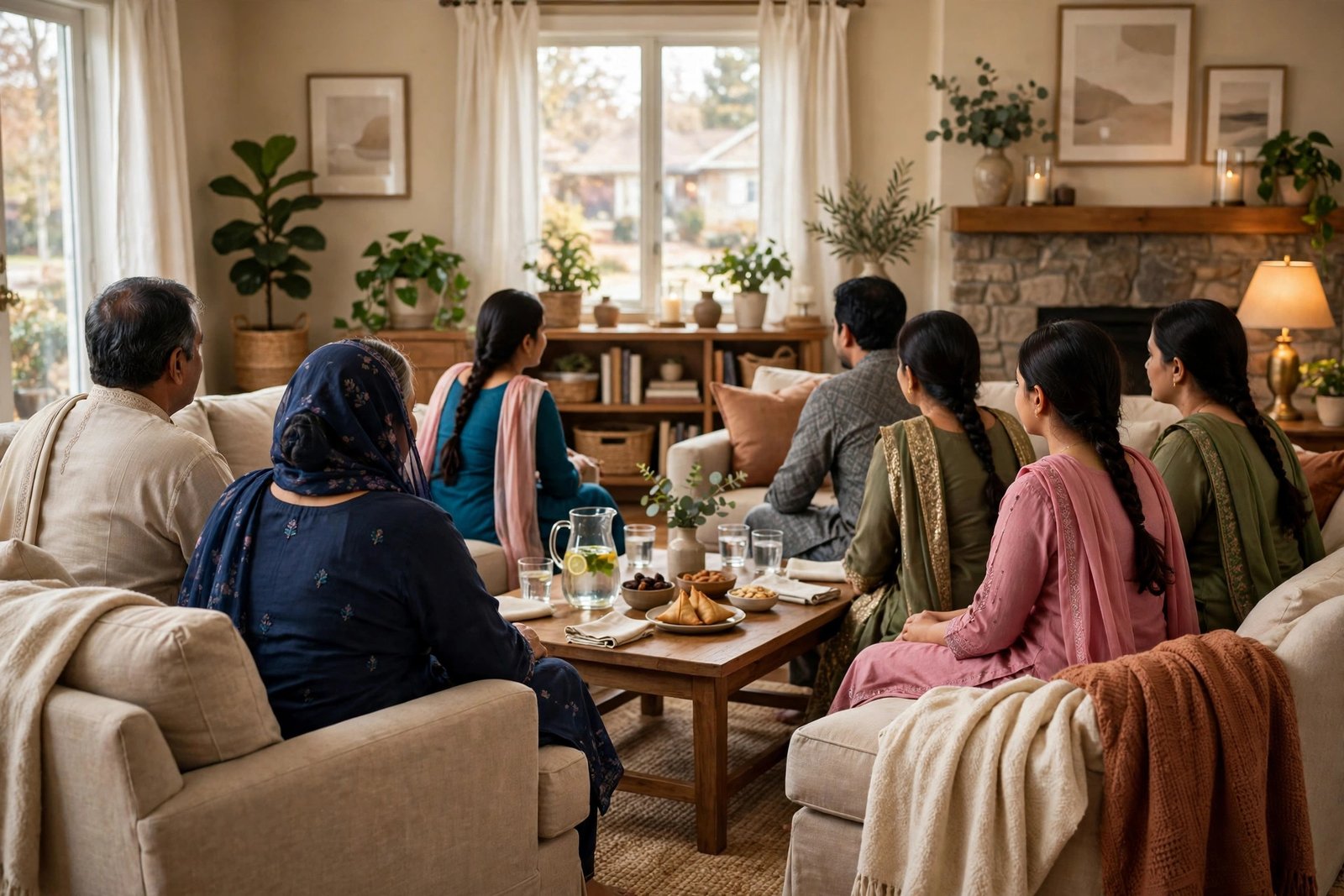
Marriage conversations are strongest when families move beyond general impressions and discuss the questions that shape everyday life. In a Pakistani-American family, those questions may include faith, culture, career plans, money, housing, and the role of parents and relatives. Asking them is not a sign of mistrust. Done kindly, it is a way to protect both people from avoidable surprises and to begin marriage with clearer expectations.
Not every question needs to be asked at the first meeting. Early conversations can cover values and broad plans. More personal topics can be discussed as trust grows and both sides remain interested. The important point is that important subjects should not be avoided simply because they feel sensitive.
Faith, Practice, and Religious Expectations
For many families, religion is a central part of marriage. It helps to discuss what faith means in daily life rather than relying on labels alone. How important are prayer, fasting, mosque attendance, religious learning, and Islamic financial or dietary practices? Are both people comfortable with each other’s level of practice? What role should religion play in raising children in the future?
These questions should be handled without judgement. People may be at different stages of practice while still sharing sincere values. The aim is to understand whether expectations are compatible and whether differences can be respected honestly.
Education, Career, and Work Plans
In the USA, careers often influence where a couple can live, how much time they have, and what financial goals are realistic. Discuss current work or studies, future ambitions, and whether either person plans further education, licensing, business, or a career change. If one person expects to move for work, that should be known early.
Families should also discuss attitudes toward both spouses working, taking career breaks, supporting parents, or managing a household during demanding periods. There is no single correct model. What matters is whether the couple’s expectations are close enough to build a workable life together.
Location and Relocation
Where will the couple live after marriage? Near one family, near the other, in a third city, or wherever work leads? In a large country, relocation can affect community support, cost of living, schools, and travel to relatives. A person who strongly wants to remain in one state should say so clearly, just as a person open to moving should explain any limits.
Finances, Spending, and Responsibilities
Money questions can feel uncomfortable, but they are essential. Couples and families should discuss income in general terms when appropriate, debts or financial obligations, saving habits, support for parents, and expectations about shared expenses. They should also talk about wedding spending. A celebration should not create long-term stress or resentment.
It is helpful to distinguish between facts and preferences. A fact might be an existing student loan or responsibility to support a parent. A preference might be living modestly at first or saving for a home. Both matter, but they require different kinds of planning.
Family Involvement and Boundaries
Pakistani families often value closeness, hospitality, and respect for elders. At the same time, a new couple needs privacy and space to build their own household. Discuss how often families expect visits, how holidays will be shared, how decisions will be made, and what support is expected from each side.
If the couple may live with parents for a period, discuss the reason, expected duration, privacy arrangements, and financial contributions. If they will live separately, discuss how they will stay connected and helpful. Clear boundaries are not distance; they are a way to keep relationships warm and sustainable.
Communication and Conflict Style
Every couple disagrees sometimes. The question is how they handle disagreement. Do they prefer to talk immediately or cool down first? How do they respond to criticism? Are they comfortable apologising and listening? Families can learn a lot by observing whether conversations remain respectful when views differ.
It is also useful to discuss communication with in-laws. How should concerns be raised? Who should handle sensitive conversations with their own parents? Agreeing on a respectful approach early can prevent small issues from becoming family disputes.
Health, Wellbeing, and Personal History
Some topics require care and timing. Health conditions, mental wellbeing, previous marriages, children from a previous relationship, immigration responsibilities, or legal obligations may be relevant to marriage. Such information should be shared honestly at an appropriate stage, with privacy and dignity. The purpose is not to expose someone, but to ensure that both people enter marriage informed.
Families should avoid demanding unnecessary private details too early. Trust grows step by step. When a topic affects the marriage directly, however, it should not be hidden until after major commitments are made.
Children and Future Home Life
If both people hope to have children, discuss general timing, parenting values, education hopes, and how culture and language will be shared at home. If one person is unsure or does not want children, that is a fundamental compatibility question and should be discussed honestly before engagement.
Also talk about daily home life: cooking, cleaning, guests, technology, social life, and time with extended family. These ordinary details often determine whether a home feels peaceful or tense.
How to Ask Questions Respectfully
Ask one topic at a time and listen fully. Avoid interrogation. Use open questions such as, “How do you imagine family involvement after marriage?” rather than questions designed to trap or test. Take notes if helpful, but do not treat the conversation like a transaction. If a question is too personal for the stage, note it for later rather than forcing an answer.
Conclusion
The right questions help a Pakistani-American family move from polite introductions to informed decision-making. Faith, work, money, location, family boundaries, communication, health, and future home life all deserve thoughtful discussion. When questions are asked with respect and answered honestly, families give the couple a stronger foundation, whether the final decision is to proceed or to part with goodwill.