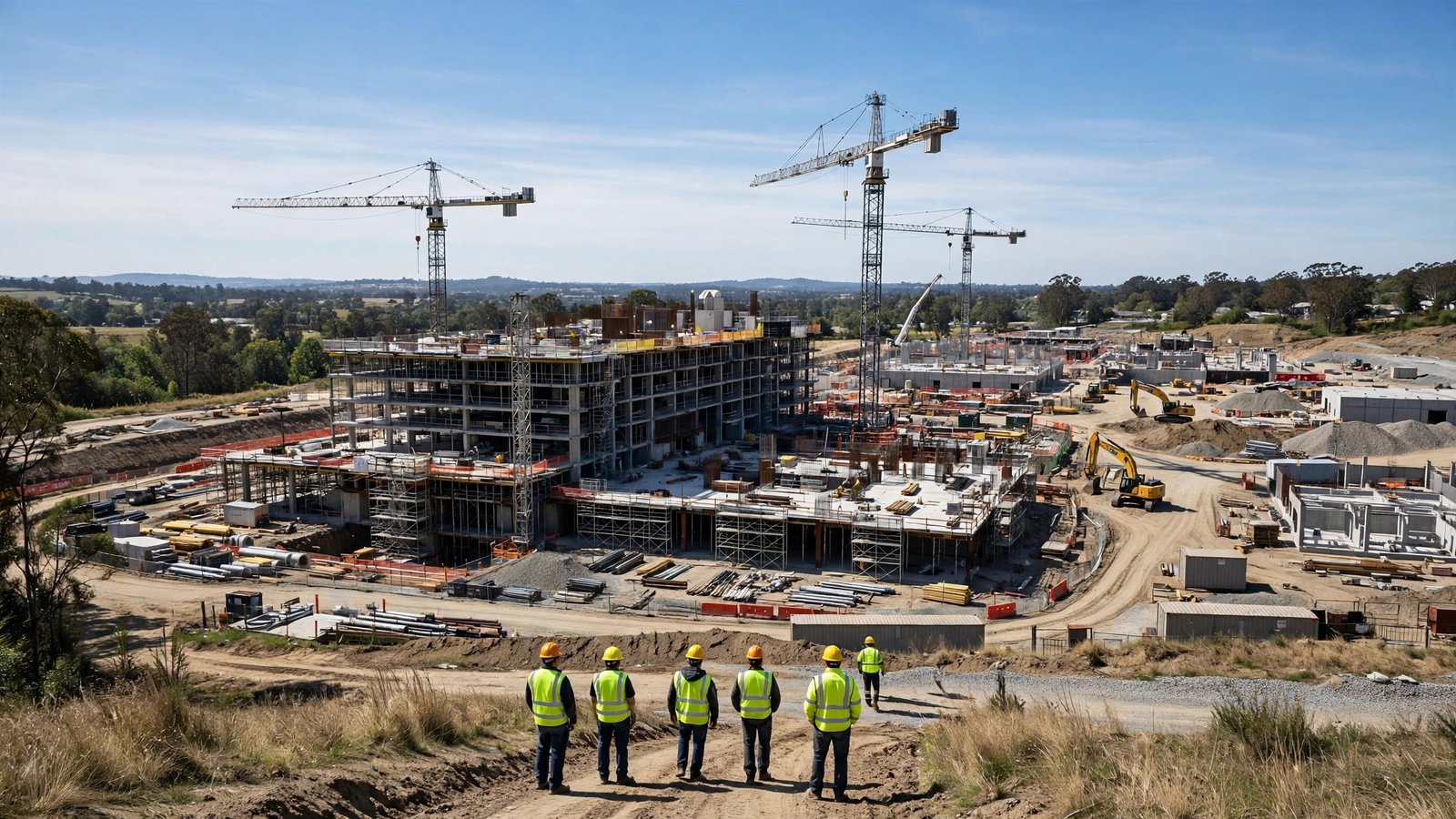
Construction is one of the largest industries in the United States, building and maintaining the homes, roads, bridges, hospitals, and commercial buildings the country depends on. Construction jobs in the USA range from general labouring to highly paid licensed trades, and the industry offers one of the clearest routes from entry-level work to a skilled career through apprenticeships. This guide explains the main job types, the qualifications employers expect, and the safety culture that governs American building sites.
Common Construction Job Types
General Labourer
Labourers are the backbone of every site. They move materials, prepare and clean work areas, dig, load and unload deliveries, and assist skilled tradespeople. Labouring is the most common way into the industry because employers often hire for attitude, strength, and reliability rather than formal qualifications.
Carpenter
Carpenters build and install wooden structures, frameworks, roofing, and interior fittings. The trade is learned mainly through apprenticeships and offers work in both residential and commercial construction.
Electrician
Electricians install and maintain wiring and electrical systems. Because electrical work is regulated, electricians must complete an apprenticeship and obtain a state licence before working independently. The route is long, but licensed electricians are consistently in demand.
Plumber and Pipefitter
Plumbers install and repair water, drainage, and heating systems. Like electricians, they train through apprenticeships and require state licensing. Pipefitters work more in industrial settings such as factories and power plants.
Mason and Concrete Finisher
Masons build with brick, block, and stone, while concrete workers place and finish the concrete used in foundations, floors, and pavements. These trades are physically demanding and highly skilled.
Equipment Operator
Operators run excavators, cranes, loaders, and other heavy machinery. Crane operation in particular requires certification, and all operators need training specific to their machines.
Welder, Roofer, Painter, and Other Trades
Welders join metal components across construction and manufacturing. Roofers, painters, drywall installers, glaziers, and HVAC technicians each form their own trade, most with apprenticeship or vocational training routes.
Site Supervision and Management
Foremen, site supervisors, and construction managers plan work, coordinate trades, and control safety and quality. These roles are usually reached through experience, sometimes combined with construction management qualifications.
Apprenticeships: The Main Route to a Trade
The traditional path into a skilled trade is a registered apprenticeship. Apprentices earn a wage while learning on site, attend classroom or online technical instruction, and qualify over several years. Registered apprenticeship programmes are overseen through the US Department of Labor and state apprenticeship agencies, and the official Apprenticeship.gov website helps you find programmes by trade and location. Union and non-union programmes both exist. Completing an apprenticeship and gaining any required state licence turns a labouring job into a portable, well-respected trade career.
Safety: The OSHA Standard
Construction safety in the USA is regulated by the Occupational Safety and Health Administration (OSHA). Employers must provide a workplace free from recognised hazards, supply personal protective equipment such as hard hats, eye protection, gloves, and fall protection, and train workers on the hazards of their jobs.
Key safety themes on American sites include:
- Fall protection: Falls are the leading cause of construction deaths, so harnesses, guardrails, and proper ladder and scaffold use are enforced seriously.
- Scaffold and ladder safety: Equipment must be inspected and used within its limits.
- Excavation safety: Trenches require protective systems to prevent collapse.
- Electrical safety: Only qualified workers perform electrical work, and lockout procedures protect maintenance staff.
- Heat safety: In hot states, water, rest, and shade are essential; heat illness can be fatal.
Many employers ask for an OSHA 10-hour construction safety card for entry-level workers and the OSHA 30-hour card for supervisors. These courses are widely available, including online, and completing one before you apply shows employers you take safety seriously. Never accept an instruction to work in a way you believe is dangerous: you have the right to raise safety concerns without retaliation.
Qualifications and Requirements
Most construction employers require workers to be legally authorised to work in the USA, physically able to perform the job’s duties, and able to follow safety instructions. A driver’s licence is valuable because sites change location. Drug testing is common in construction, particularly on commercial and government projects. Trade roles require the apprenticeship, certification, or state licence described above, and you should verify the exact licensing rules with the relevant state authority, because they differ across the country.
Finding Genuine Construction Work
Established construction companies advertise on their official websites, and state workforce agencies and American Job Centers list local vacancies. Union hiring halls and registered apprenticeship programmes are another legitimate route into the trades. Day-labour arrangements and informal cash offers carry risks: no safety protection, no insurance if you are injured, and no guarantee of payment. Avoid anyone who asks you to pay for a job, tools, or a promised visa, and verify companies through official channels before accepting work.
Conclusion
Construction jobs in the USA offer everything from immediate entry-level labouring to licensed trades and site management, with apprenticeships providing a structured path upward. Learn the main job types, respect the OSHA safety culture that governs every legitimate site, and pursue recognised training through registered apprenticeship programmes and state workforce services. Confirm licensing rules and job details with official sources and employers directly, and construction can provide a skilled, durable, and rewarding career.