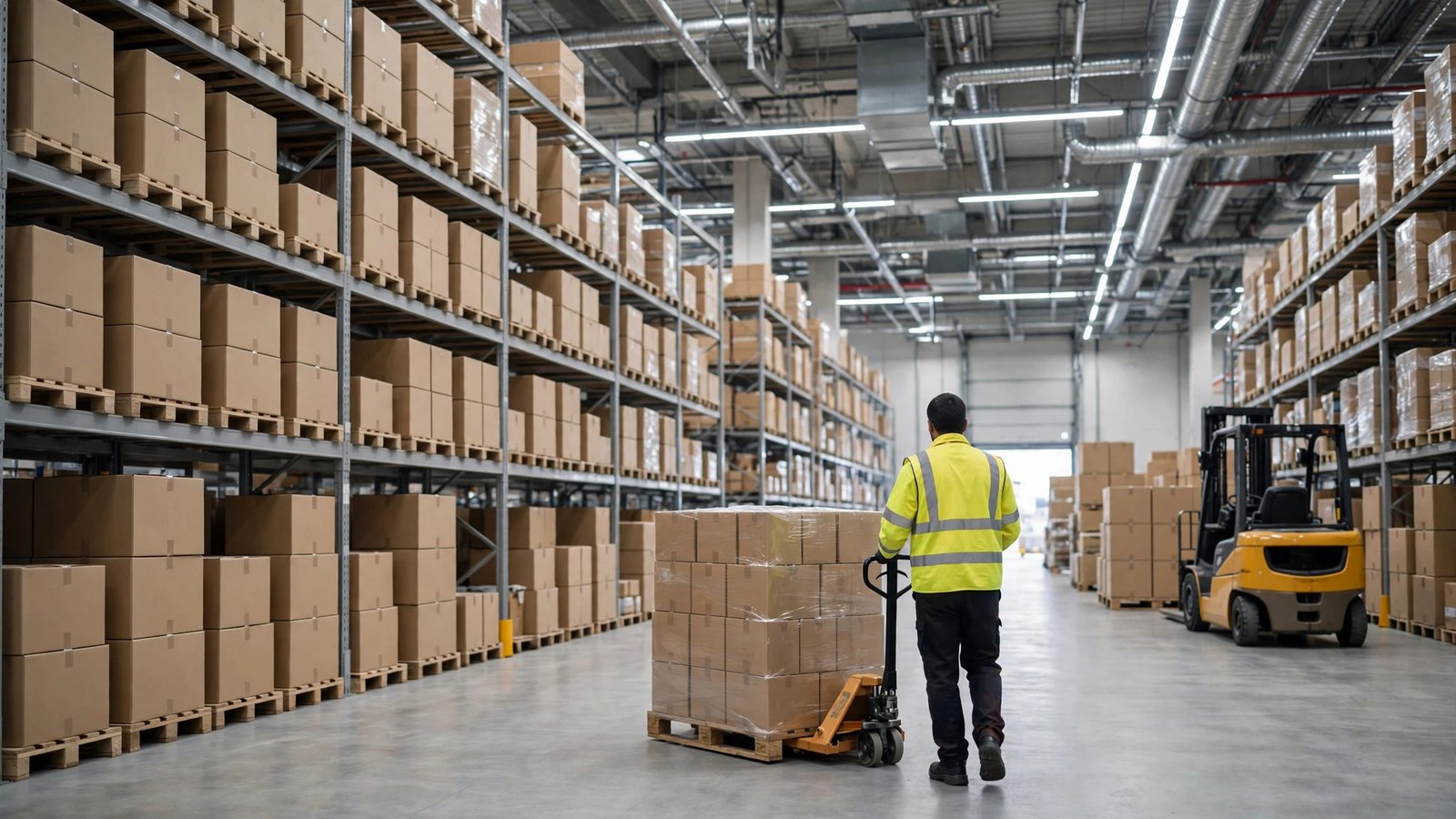
Warehouses and distribution centres are the backbone of Canada’s retail and e-commerce economy. From large fulfilment centres near major cities to regional depots serving smaller communities, these facilities hire workers year-round. If you are looking for steady work that does not always require previous experience, warehouse and logistics jobs in Canada are worth serious consideration. This guide explains the common roles, the skills employers look for, helpful certifications, and how to apply safely.
Common Warehouse and Logistics Roles
Warehouse Associate and Order Picker
Warehouse associates receive goods, place them in storage, pick items for orders and prepare shipments. The work involves scanning products, using handheld devices, and keeping track of inventory. Accuracy matters, because mistakes slow down the whole operation.
Packer and Shipper
Packers prepare orders for delivery: choosing the right box, protecting fragile items, printing labels and handing parcels to shipping carriers. During busy seasons, especially before the winter holidays, demand for packers rises sharply.
Material Handler and Loader
Material handlers move stock within the facility using carts, pallet jacks or dollies. Loaders help fill trucks and containers. These roles are physical and often involve lifting, bending and working at a steady pace.
Forklift and Equipment Operator
Forklift operators move pallets and heavy loads. In Canada, operating a forklift generally requires employer-provided training and certification that meets provincial safety standards. Experienced, certified operators are often in higher demand than general labourers.
Inventory and Quality Control Worker
Inventory staff count stock, check for damage, and help investigate differences between records and actual goods. These roles suit people who are detail-oriented and comfortable with basic computer systems.
Dispatcher and Logistics Clerk
Larger operations hire clerks and dispatchers to schedule deliveries, track shipments and communicate with drivers. These positions usually require stronger computer and communication skills and may ask for some office or logistics experience.
Skills Employers Look For
Even for beginner roles, employers value a consistent set of abilities:
- Physical fitness: Many roles require lifting up to roughly 20 kilograms, standing or walking for most of a shift, and repetitive movement. Job postings should state the physical demands; read them honestly against your own capacity.
- Reliability: Warehouses run on schedules. Arriving on time for every shift, including early-morning or overnight shifts, is one of the most valued qualities.
- Attention to detail: Correct picking, labelling and scanning prevent costly errors.
- Basic technology skills: Scanners, tablets and warehouse software are standard. You do not need to be an expert, but you should be comfortable learning simple systems.
- Teamwork and communication: You will coordinate with pickers, drivers and supervisors, often in a fast-moving environment.
- Safety awareness: Following procedures around moving equipment, stacked goods and loading docks protects you and everyone around you.
Helpful Certifications and Training
You can strengthen your application with short, recognised training:
- Forklift licence/certification: Offered by many private training centres and sometimes by employers themselves. Make sure any course meets your province’s occupational health and safety requirements.
- WHMIS training: The Workplace Hazardous Materials Information System course teaches safe handling of chemicals and is required in many workplaces. It is often available free or at low cost online.
- First aid and CPR: A general asset in any workplace.
- Occupational health and safety awareness training: Some provinces, such as Ontario, require basic safety awareness training for workers, which employers may provide during onboarding.
Avoid paying large fees to unknown training companies that promise guaranteed jobs. Verify any provider before you pay.
Understanding Shifts and Working Conditions
Warehouses often operate around the clock. Common schedules include day, evening and overnight shifts, and part-time or temporary contracts through staffing agencies are common starting points. Many workers begin through an agency and are later hired directly by the facility. Ask during the interview about shift length, breaks, overtime rules and whether steel-toe safety footwear is provided or required at your own cost.
Wages and labour standards are set provincially, and minimum wage differs across Canada. Employers must state the pay rate in the job offer. Confirm the current rate and any shift premiums in writing before you start.
How to Apply: Step by Step
- Prepare a focused resume. Highlight physical work, teamwork, reliability and any experience with tools, scanners or inventory, even from informal or volunteer settings.
- Search official channels. Job Bank Canada lists many warehouse openings, and large logistics and retail companies post vacancies on their own career pages. Local staffing agencies are also a normal route into this sector.
- Apply carefully. Follow the instructions in the posting. Some employers use online application portals; others hold walk-in hiring events.
- Prepare for the interview. Expect questions about availability, physical ability, safety attitudes and teamwork. Some employers include a short practical or written assessment.
- Complete onboarding. This usually includes safety training, WHMIS, and instruction on equipment and emergency procedures before you begin regular duties.
Safety Warnings for Job Seekers
Be cautious of advertisements that promise unusually high pay for warehouse work with no interview, ask you to pay for “registration” or equipment before starting, or communicate only through unofficial messaging accounts. A legitimate employer will provide a written offer, explain pay and hours, and never ask you to buy gift cards or send money as part of hiring. If you are unsure about an agency or employer, you can check business registration details and read guidance on the official Job Bank and provincial employment standards websites.
Conclusion
Warehouse and logistics jobs in Canada offer accessible entry points, clear routines and room to grow into operator, inventory or supervisory roles. Build the core skills of reliability, accuracy and safety awareness, consider short certifications such as WHMIS or forklift training, and apply through official job boards and reputable employers. Conditions, wages and requirements change over time and differ by province, so always confirm the details of any vacancy on the employer’s official website or through Job Bank Canada before applying.