Introduction
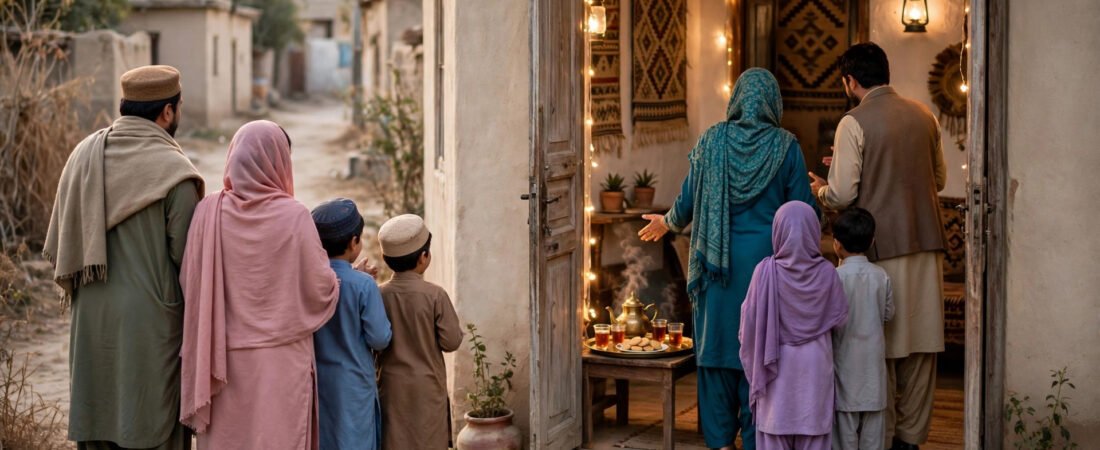
A first family meeting is an important step in the rishta process. It is not a final decision, and it is not an interview. At its best, it is a calm opportunity for two families to meet in person, understand each other’s values, and see whether there is a comfortable basis for further conversation.
Many people feel nervous before this meeting, and that is completely normal. Good preparation can reduce that pressure. When the timing, setting, and expectations are clear in advance, everyone can be more relaxed, more honest, and more respectful. This guide explains how to arrange a first meeting that feels welcoming rather than stressful.
Why the First Meeting Matters
First impressions shape how families remember each other, but the purpose is not to impress at any cost. The real purpose is to build trust.
A well-arranged meeting allows families to observe basic compatibility in lifestyle, communication style, and priorities. It also gives the prospective bride and groom a chance, where families are comfortable with it, to speak briefly and respectfully and to form their own impression. One meeting rarely answers every question, but if people feel heard, a second conversation becomes much easier to arrange.
Choosing the Right Time and Place
Pick a time that suits both sides
Choose a day and time when neither family is rushed. Weekends or early evenings often work well, but the best time is one agreed without pressure. Confirm the date, arrival time, and approximate duration a day before, so there are no misunderstandings.
Avoid scheduling during a major family event or immediately after a long journey. People are at their best when they are rested.
Select a comfortable setting
Traditionally, the first meeting is often held at the girl’s family home, but families today also choose the boy’s home, a relative’s home, or a quiet public place such as a restaurant. There is no single correct choice. What matters is comfort and privacy: a setting that allows conversation without constant interruption, where both families feel at ease. Keep a home setting tidy and welcoming, but do not feel pressured to create an elaborate display.
Deciding Who Should Attend
A smaller group is usually better for a first meeting. Parents, the prospective bride and groom, and perhaps one or two close relatives who play a genuine role in the decision are generally enough.
A very large gathering can feel overwhelming, make honest conversation difficult, and put unnecessary pressure on the two people at the centre of the proposal. Extended family can be introduced later. Agree in advance who will be present, and share names and relationships beforehand if possible.
Preparing Before the Meeting
Agree on the basic purpose
Families should be clear, at least within their own household, about what they hope to learn. Are you mainly introducing yourselves? Are there one or two important topics you want to understand, such as city of residence after marriage, education plans, or work commitments?
Having a quiet internal discussion first prevents mixed messages during the meeting.
Keep expectations realistic
No family is perfect, and no meeting goes exactly to plan. Children may interrupt, tea may be delayed, or conversation may pause. These small moments do not define compatibility. For example, if a 26-year-old teacher from Lahore is meeting a family from another city, differences in accent, food habits, or daily routine are expected. Curiosity is more helpful than judgement.
Starting the Conversation Well
Begin with warm, general topics. Introductions, family background, education, work, and interests are natural starting points. Light conversation about the journey, the neighbourhood, or shared interests can help people settle.
Good conversation is balanced. Ask questions, but also listen carefully and give others time to answer. Avoid speaking for the prospective bride or groom throughout; where appropriate, encourage them to share their own views in their own words.
Pay attention to tone as much as content. Respectful listening, eye contact, and patience communicate more about family values than any formal statement.
Topics that are helpful to discuss
- General family background and where each family lives
- Education and current work or studies
- Interests, daily routine, and lifestyle in broad terms
- Expectations about the timeline for engagement and marriage, in general
- The city or country where the couple might live after marriage
These topics give a useful picture without demanding private details too early.
Topics to handle with care
Some subjects are important but sensitive, and they are better discussed gradually or in later meetings. These include detailed financial matters, past relationships or proposals, health history, and specific demands about wedding arrangements.
If a sensitive topic is essential, raise it politely and privately at an appropriate stage, rather than in front of a large group. Avoid interrogation-style questioning, comparisons with other proposals, and comments about appearance. Such remarks can cause hurt that is difficult to repair.
Hospitality Without Pressure
Offering tea and refreshments is a valued part of Pakistani hospitality. Keep it thoughtful but manageable. A selection of tea, water, and a few snacks is sufficient for a first meeting; a full meal is not expected unless it was clearly agreed in advance.
Hosts should check for basic preferences or allergies if a meal is planned. Guests should be gracious and not overstay the agreed time. A meeting of one to two hours is usually enough for a first introduction. Gifts are not required; if guests bring sweets or fruit, receive them warmly without comment on their value.
Giving the Couple a Voice
In many families, the prospective bride and groom are given a short opportunity to talk, sometimes in the same room with family nearby, sometimes in a separate sitting area according to the family’s comfort and values.
Whatever format a family chooses, the principle is the same: both individuals should have a genuine chance to express themselves and to be heard. Their comfort and consent matter throughout the process. Families should avoid deciding everything on their behalf or pressuring them for an immediate answer after a brief conversation.
Ending the Meeting Gracefully
Close with thanks, regardless of how either side feels about the proposal. Gratitude for time and hospitality keeps the door open for respectful communication.
Avoid giving a final decision on the spot. It is perfectly acceptable to say you will discuss at home and respond within an agreed number of days — then honour that timeline. If either side decides not to proceed, a short, kind message is enough. Detailed criticism is unnecessary.
Conclusion
A respectful first family meeting is built on preparation, patience, and clear communication. Choose a comfortable time and place, keep the group small, start with general conversation, and treat hospitality as a gesture of warmth rather than a test. Most importantly, give everyone, especially the prospective bride and groom, space to speak and time to reflect afterwards. When families approach the meeting in this spirit, even a decision not to proceed can be handled with dignity, and a decision to continue can begin on a foundation of genuine trust.