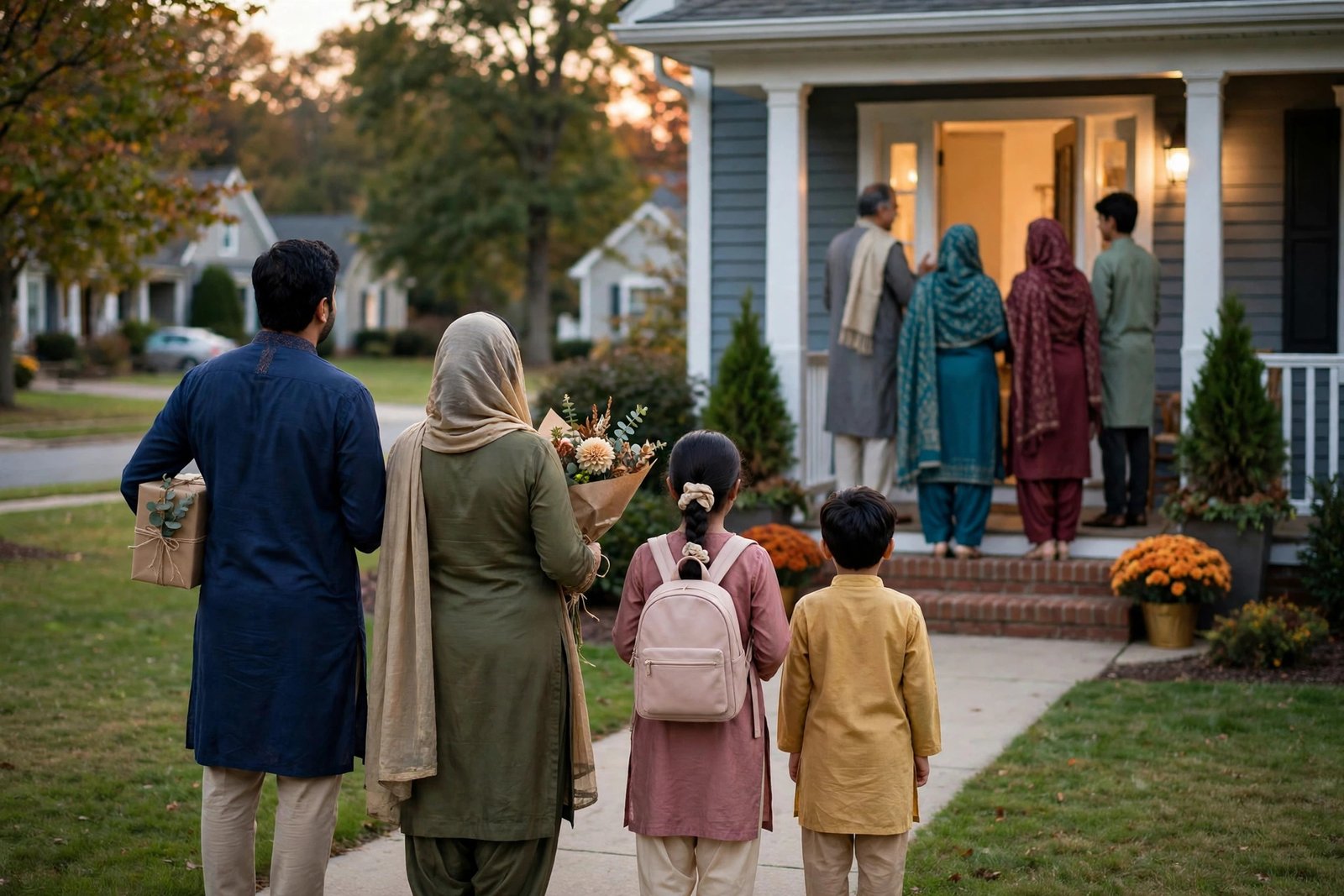
A first family introduction is an important step in a rishta process. When families live in different US cities, it also becomes a planning exercise. Travel, work schedules, accommodation, food, and expectations all need attention before the meeting can feel relaxed. Good planning does not make the introduction artificial. It removes avoidable stress so families can focus on character, conversation, and compatibility.
The purpose of a first meeting should be clear to everyone: to meet respectfully, learn more, and decide whether further discussion makes sense. It is not an engagement, a promise, or a public announcement. Keeping that purpose in mind helps both families stay calm.
Decide Whether the Time Is Right
Before booking travel, confirm that both sides have enough interest to justify a visit. Basic information should already have been exchanged: education, work, family background, location expectations, and broad values. At least one or two video or phone conversations can help families decide whether an in-person meeting is worthwhile.
If major deal-breakers are unresolved, such as relocation, timeline, or a fundamental values difference, discuss them before travel. A visit should not be used to pressure someone into overlooking a serious concern. When both families agree that the basics look promising, a meeting can add the warmth and observation that calls cannot provide.
Choose Who Travels and Where to Meet
Families should decide who will travel based on practicality, not pride. Work leave, health, cost, caregiving duties, and distance may make one direction easier than the other. Sometimes meeting in one family’s city is natural. In other cases, families choose a neutral plan that reduces burden, although a home-city visit has the advantage of showing daily life and community context.
Be clear about who is invited. A first introduction usually works best with a manageable group: parents, the two adults, and perhaps siblings or one trusted relative. Too many people can make conversation difficult and turn the meeting into a performance. Extended relatives can be introduced later if the process continues.
Plan Timing, Travel, and Rest
Choose a date that allows unhurried conversation. Avoid arriving after a long flight and going straight into a formal meeting if possible. Build in rest time, especially when crossing time zones. A tired family may appear less warm or patient than they really are.
Share the schedule in advance: arrival, meeting time, meal plans, and departure. If the visiting family is staying with relatives or friends nearby, that can be mentioned for coordination, but exact private arrangements do not need to be broadcast. Punctuality matters. If travel delays happen, communicate early and adjust graciously.
Accommodation and Hospitality
Hospitality should be generous but not overwhelming. The host family can offer clear information about parking, dietary needs, prayer space, and the flow of the visit. Guests should express needs simply and respectfully, including allergies or health considerations. If accommodation is offered, both sides should be comfortable with the arrangement; otherwise, nearby lodging may be simpler and more private.
The goal is ease. A family that feels physically comfortable will converse better and judge the meeting more fairly.
Set the Tone for Conversation
A first meeting should include warm introductions, ordinary conversation, and time for the important topics. Begin with welcome and general discussion so everyone can settle. Then move gradually to questions about education, work, values, family life, and future plans. Avoid turning the meeting into an interview panel. Rotate conversation so the two adults are not silent while elders do all the talking.
The prospective couple should have an appropriate opportunity to speak directly. Depending on family practice, this may be a conversation in the same room with family present, a short discussion in an open area of the home, or a group conversation where they lead certain topics. What matters is that their views are heard.
Food, Gifts, and Cultural Courtesy
Food is often part of Pakistani hospitality, but the menu does not need to be extravagant. A comfortable meal that considers dietary restrictions is enough. Guests may bring a modest gift, such as sweets or flowers, as a gesture of thanks. Hosts should avoid making the visit feel like a test of generosity.
Cultural courtesy includes greeting elders respectfully, being mindful of prayer times, and keeping phones aside during conversation. Small courtesies create a strong impression because they show attentiveness.
Observe More Than Answers
A first meeting reveals things a profile cannot: how people listen, how they treat elders and younger siblings, whether they are patient when plans change, and how the two families interact. Notice consistency between what was said on calls and what is observed in person. Also notice your own family’s behaviour. A good introduction is a two-way assessment.
Do not overinterpret minor nervousness. Many people are quieter in formal settings. Look instead for respect, honesty, and ease over the course of the visit. If something concerns you, note it calmly and discuss it privately afterwards.
End With Clarity, Not Pressure
Before the visiting family leaves, thank them warmly and agree on how follow-up will happen. It is perfectly acceptable to say that each family will discuss privately and respond within a few days. Avoid demanding an immediate answer after travel, food, and hospitality. Pressure can distort a decision and create resentment.
If both sides remain interested, name the next step: another call, answers to remaining questions, a second visit, or involvement of an elder or intermediary. If one side decides not to proceed, communicate that politely and promptly. The travelling family deserves a clear answer, not silence.
Follow Up Fairly
After the visit, each family should debrief separately. Ask the person at the centre of the introduction how they felt, not only what the elders observed. Compare notes on values, comfort, and practical issues such as relocation and timing. If photos were taken, share them only with permission.
Travel and hospitality should never be used as leverage. A family that spent money on flights has shown seriousness, but the other side still has the right to decline. Likewise, a host family’s effort deserves gratitude, not obligation.
Conclusion
Planning a first family introduction across different US cities takes care, but it can be a positive and clarifying experience. Confirm readiness before travel, keep the group manageable, plan rest and hospitality, and give the two adults a real voice in the conversation. End with gratitude and a clear follow-up plan. When the meeting is organised with dignity, families can decide the next step based on understanding rather than exhaustion or pressure.