For many Pakistani families living in the United States, marriage is both a personal decision and a family milestone. A rishta search often brings together the wishes of the person hoping to marry, the experience of parents and elders, and the practical realities of life in a new country. Pakistani matrimonial communities in the USA have developed around this shared experience. They may be informal networks of relatives and friends, gatherings connected with cultural events, private online groups, or introductions made through trusted community members. Their purpose is not to pressure anyone into a match, but to help families meet people with compatible values, faith, education, lifestyle, and long-term goals.
Understanding how these communities work can make the process calmer and more respectful. Families who approach the search with clear communication, patience, and privacy in mind are more likely to have positive conversations, even when a particular introduction does not lead to marriage.
What Pakistani Rishta Communities Look Like in the USA
Pakistani communities in the United States are diverse. Families may have roots in different regions of Pakistan, speak different languages at home, and follow a range of religious and cultural practices. Some arrived decades ago and have adult children born and raised in the USA. Others are recent immigrants balancing new careers, studies, immigration responsibilities, and family expectations. Because of this diversity, there is no single model for a rishta community.
In larger metropolitan areas, families may know many Pakistani households through schools, workplaces, local mosques, cultural associations, and community centres. In smaller towns, the network may be much smaller, and families often rely on relatives in other states or on private online spaces. Some introductions happen through family friends who know both sides. Others begin when parents exchange basic information and then arrange a supervised call or meeting for the two people considering marriage.
A healthy community setting treats every introduction as a conversation, not a commitment. It allows both families to ask questions, take time, and step back politely if the match is not suitable.
Common Ways Families Connect
Family and Friend Networks
The most traditional route is still word of mouth. A relative, colleague, or family friend may know someone who is also looking for a spouse. This route can feel comfortable because there is a shared connection, but families should still verify important information directly and avoid relying only on second-hand impressions.
Community and Cultural Gatherings
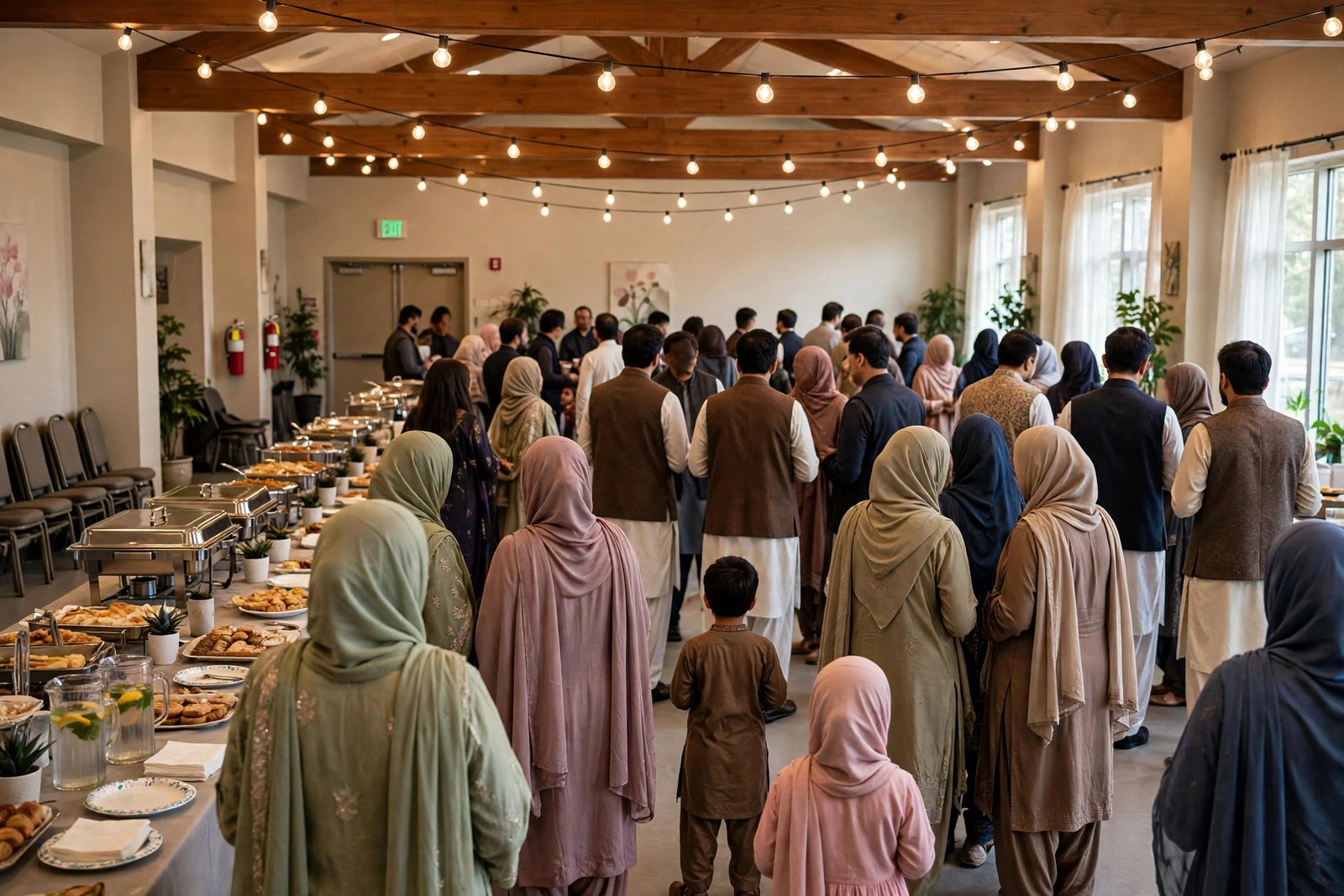
Weddings, religious holidays, charity events, and cultural celebrations often bring Pakistani families together. These occasions can help families observe community life and meet people naturally. However, a social event should not become an uncomfortable marketplace for marriage proposals. Introductions are best handled discreetly, with permission from the people involved.
Online Groups and Matrimonial Platforms
Private online groups and matrimonial websites help families connect across states. They can be useful when local networks are small, but they require extra care. Families should protect personal information, confirm identities gradually, and move step by step from messages to family calls and then to a safe meeting. Online convenience should never replace basic judgement.
The Role of Parents, Elders, and Intermediaries
Parents and elders often play an important part in Pakistani rishta traditions. Their role can include identifying introductions, asking about family background, and helping the conversation remain respectful. At the same time, the adults considering marriage must have a real voice in the decision. A process that ignores their comfort, questions, or consent is not a healthy one.
Intermediaries, sometimes relatives or trusted friends, can help exchange information and arrange initial contact. A good intermediary shares information accurately, does not exaggerate, and respects confidentiality. They should not pressure either side to continue if interest ends. When families are clear about the intermediary’s role, misunderstandings are less likely.
Values Families Often Discuss
Although every family is different, several themes appear often in Pakistani-American rishta conversations. Faith and religious practice may be central for some families and more cultural for others. Education and career plans matter, especially when couples discuss where they will live and how they will manage work, study, or business responsibilities. Language, family involvement, financial habits, and expectations about living arrangements can also shape compatibility.
Families may also discuss whether the couple hopes to live near parents, in another state, or close to a particular community. In the USA, distance can be a practical issue. A match that looks suitable on paper may require honest discussion about relocation, travel, work schedules, and support networks. These are not minor details; they affect daily life after marriage.
Respect, Privacy, and Consent
Privacy is especially important in close communities. Personal details, photographs, and family information should be shared only with permission and only for the purpose of the introduction. If a conversation ends, that information should not be circulated further. Respectful communities protect people’s dignity whether or not a match proceeds.
Consent also matters at every stage. Adults should be free to ask questions, request time, and decline an introduction without fear of embarrassment. Families can support their children by listening carefully and separating genuine concerns from social pressure. A polite refusal is better than a reluctant yes.
Challenges Across Distance and Culture
Pakistani-American families sometimes face a gap between generations. Parents may value traditions from Pakistan, while their children may be more influenced by American education and workplace culture. Neither perspective should be dismissed. Open discussion can help families understand what is essential, what is flexible, and what needs compromise.
Distance creates another challenge. Families may live in different time zones, making calls and visits harder to arrange. Travel costs, work leave, and school schedules can slow the process. Planning ahead, using video calls wisely, and agreeing on next steps can reduce frustration.
Conclusion
Pakistani matrimonial and rishta communities in the USA are built on connection, trust, and shared hopes for a stable and respectful marriage. Whether introductions happen through relatives, community gatherings, or private online networks, the strongest approach is the same: communicate honestly, protect privacy, verify information kindly, and give both individuals a genuine voice. A rishta search does not need to be rushed. When families treat the process with patience and dignity, even a brief introduction can be a worthwhile and respectful experience.