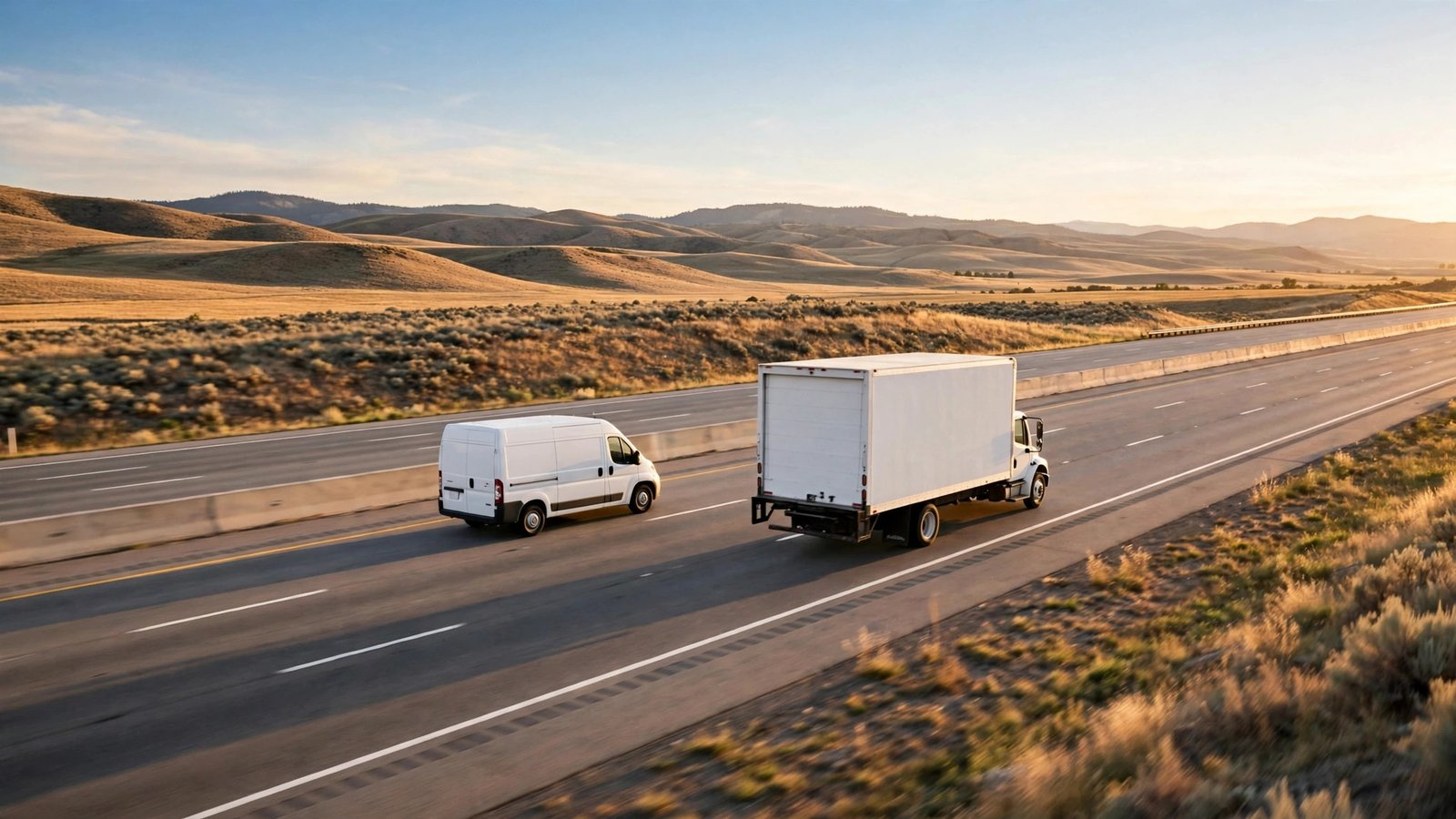
Driving is one of the most practical ways to earn a living in the United States. From food delivery in city neighbourhoods to long-haul trucking across state lines, delivery and driving jobs in the USA exist at every level of experience. However, driving work is regulated: the licence you need depends on the vehicle you drive and the work you do. This guide explains the main roles, the licensing system, and the steps to apply through legitimate channels.
The Main Types of Driving Work
Food and Parcel Delivery
Couriers deliver meals, groceries, parcels, and retail orders, often within a single city. Some work as employees of restaurants, supermarkets, or courier companies; others work as independent contractors through delivery apps. The distinction matters: employees receive set schedules and employer protections, while contractors manage their own taxes, fuel, and vehicle costs. Read any agreement carefully so you understand which arrangement you are accepting.
Local Delivery Driver
Delivery drivers for furniture stores, building suppliers, wholesalers, and logistics companies move goods between businesses and customers on planned routes. These are usually employee positions with regular hours, and they often involve loading and unloading as well as driving.
Van and Box Truck Driver
Drivers of larger vans and box trucks handle heavier deliveries and removals work. Depending on the vehicle’s weight, a standard licence may be enough or a commercial licence may be required — the vehicle’s gross weight rating determines the rule, so always check.
Commercial Truck Driver
Truck drivers move freight regionally or across the country. Long-haul drivers may spend days or weeks away from home, while regional and local drivers return home more often. Trucking is a major industry with structured training routes, and employers frequently hire newly licensed drivers into supervised roles.
Bus, Shuttle, and Passenger Driving
School buses, city transit, airport shuttles, and tour companies employ drivers to carry passengers. These roles place extra emphasis on safety records, background checks, and customer care.
Understanding US Driving Licences
Standard Driver’s Licence
A regular state driver’s licence allows you to drive a personal car and light vehicles. Each state issues its own licences through its department of motor vehicles (or equivalent agency), and the licence from your state is what employers will ask to see. If you move states, you must transfer your licence within the period your new state allows.
Commercial Driver’s Licence (CDL)
Driving large trucks or carrying passengers commercially requires a Commercial Driver’s Licence. CDLs are divided into classes: Class A covers heavy combination vehicles such as tractor-trailers, Class B covers heavy single vehicles such as large trucks and buses, and Class C covers smaller commercial vehicles carrying passengers or hazardous materials. Endorsements are added for specific work, such as carrying passengers, transporting hazardous materials, or driving tank vehicles.
To obtain a CDL you must meet federal and state requirements, which include holding a standard licence first, passing knowledge and skills tests, completing entry-level driver training from a registered provider for new applicants, and passing a Department of Transportation medical examination. Federal rules set minimum standards, and states administer the licences, so confirm the current process with your state’s licensing agency.
Other Requirements Employers Check
- Driving record: Employers and insurers review your motor vehicle record. Serious violations, especially driving under the influence, can disqualify you.
- Age rules: Federal rules set minimum ages for interstate commercial driving, and insurers often have their own requirements for delivery roles.
- Background checks and drug testing: Commercial drivers are subject to regulated drug and alcohol testing, and passenger roles require thorough background checks.
- Work authorisation: Like all US employment, you must be legally authorised to work in the United States.
Application Steps
- Choose your route: Decide whether you are aiming for app-based delivery, employed local driving, or commercial trucking, because the licensing and costs differ.
- Check and prepare your licence: Make sure your licence is valid for the vehicles involved, and start CDL training if your target role requires it. Training is available through trucking schools, community colleges, and some employers.
- Prepare your documents: Licence, driving record, work authorisation documents, and any certifications.
- Apply through official channels: Employers advertise on their own career pages; state workforce agencies and American Job Centers list driving vacancies; and the US Department of Labor’s resources can help you find registered training.
- Complete assessments: Expect a road test, medical examination where required, and background checks before a start date is confirmed.
Safety and Scam Awareness
Driving work carries real responsibility: follow hours-of-service rules for commercial driving, never drive tired, and keep your vehicle checks consistent. On the job-search side, beware of adverts asking you to receive and reship packages, cash cheques, or buy a vehicle or equipment package before starting — these are common fraud patterns. Legitimate employers do not charge drivers for a job offer, and no one can sell you a licence or guarantee a visa. Verify every opportunity on the employer’s official website.
Conclusion
Delivery and driving jobs in the USA range from flexible local courier work to professional commercial trucking, with clear licensing steps for each level. Understand whether your target role needs a standard licence or a CDL, keep your driving record clean, train through registered providers, and apply through official employer and state workforce channels. Confirm current licensing rules with your state’s licensing agency, and driving can become a dependable, long-term career.