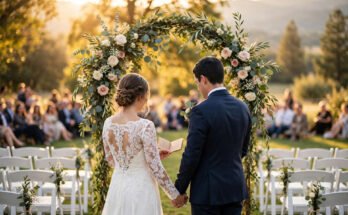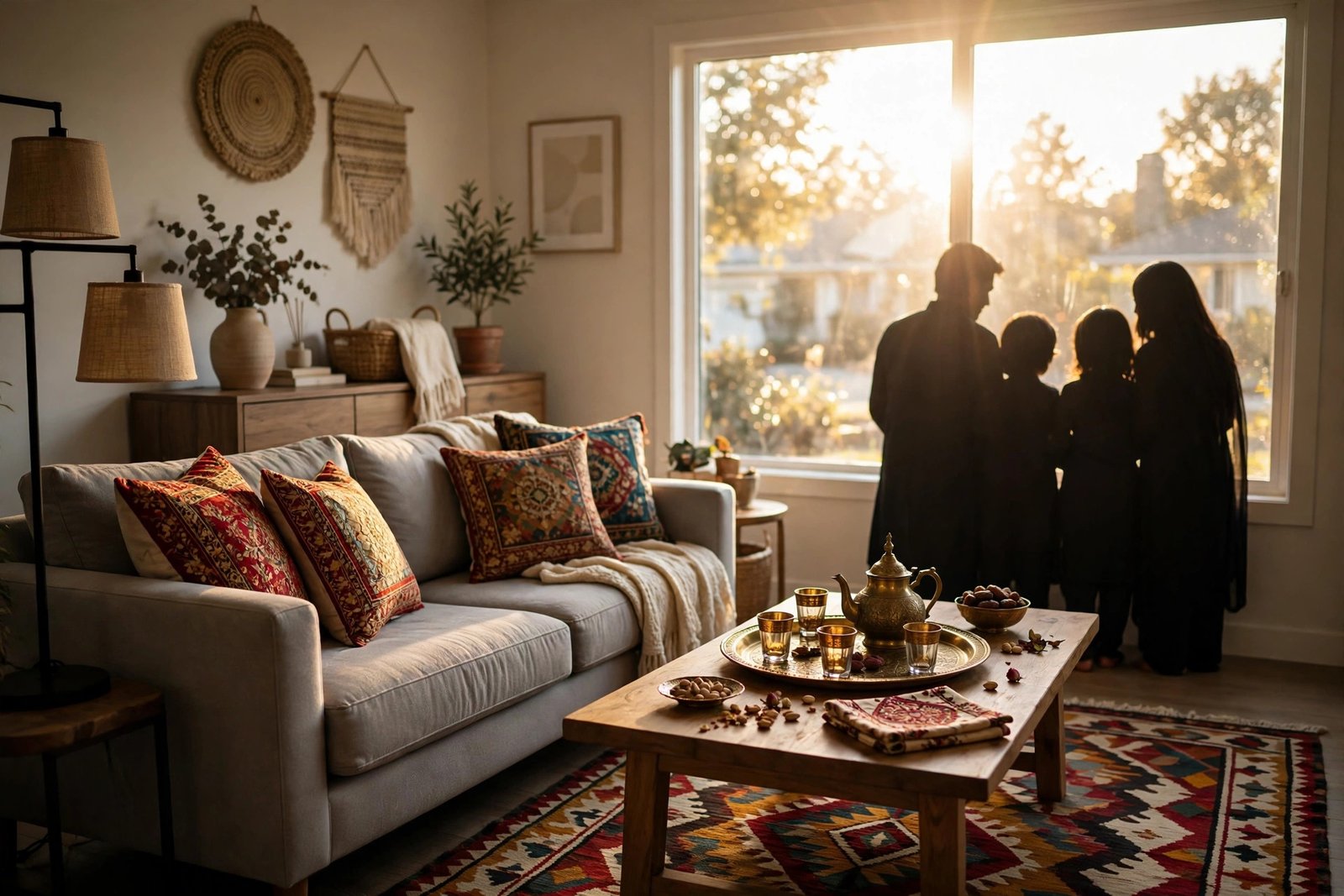
For Pakistani families in the United States, marriage often sits at the meeting point of two worlds. Parents may carry memories of how rishtas were arranged in Pakistan, with close neighbourhood networks, frequent family visits, and well-known customs. Their children may be shaped by American schools, workplaces, friendships, and a stronger emphasis on individual choice. Balancing these influences is not about choosing one culture and rejecting the other. It is about deciding which traditions bring meaning, which habits need adjustment, and how a couple can build a home that feels both rooted and realistic.
This balance matters during the rishta process because families are not only assessing two individuals. They are also negotiating expectations about respect, privacy, celebration, money, and the place of elders in married life.
Understand What Each Generation Values
Parents often value continuity: respect for elders, family unity, religious practice, hospitality, and careful decision-making. Adult children may value those too, while also expecting direct communication with a future spouse, clearer personal boundaries, and a voice in the pace of the process. Conflict arises when each side assumes the other is being difficult. In reality, both may be trying to protect the marriage in different ways.
Families should ask what lies beneath a preference. A parent who wants many relatives involved may be seeking reassurance and community wisdom. An adult child who wants fewer people involved may be seeking privacy and reduced pressure. Naming the underlying concern makes compromise easier.
Keep Traditions That Strengthen the Family
Not every tradition needs to be debated. Many Pakistani customs enrich family life: welcoming guests warmly, dressing thoughtfully for occasions, sharing food, honouring elders, celebrating Eid and weddings with joy, and supporting relatives during hardship. In the USA, where life can be individualistic and busy, these traditions can keep families connected across distance.
During a rishta process, healthy traditions include careful introductions, respectful conversation, prayerful reflection, and involving trusted elders. These practices can slow the process in a good way, giving families time to observe character and compatibility.
Adjust Habits That Create Pressure
Some habits may need adjustment in an American context. Large numbers of relatives commenting on a proposal can overwhelm the people involved. Repeated questions about age, income, appearance, or past decisions can feel intrusive. Comparing one proposal with another in front of the person can damage confidence. Families should protect dignity even when they are trying to be helpful.
Work and school schedules in the USA also require flexibility. A family may not be able to host long visits on weekdays or travel frequently across states. Shorter, well-planned meetings may be better than expecting everyone to follow a timetable from another setting. Respecting time is itself a form of respect.
Privacy in a Connected Community
Pakistani communities can be close, which is a strength and a risk. News travels quickly through calls and group messages. Families should agree on who needs to know about an introduction and when. A couple may want close relatives informed but not a wide circle until engagement. Protecting privacy helps people speak honestly and reduces fear of embarrassment if the match does not proceed.
Communication Styles Can Be Bridged
In some Pakistani families, important feelings are communicated indirectly through elders or hints. In American settings, direct conversation is often expected. A balanced approach allows both. Elders can open the discussion and set a respectful tone, while the two adults also speak clearly about their own hopes and concerns.
Families should avoid forcing a choice between “our way” and “their way.” Instead, ask: What does each person need in order to feel heard? A parent may need to be consulted before a decision. An adult child may need to ask personal questions directly. Both needs can be honoured with planning.
Weddings, Spending, and Expectations
Wedding customs can be a major source of joy and stress. Pakistani celebrations may include several events, large guest lists, and generous hospitality. In the USA, venue costs, travel, and work leave can make a large celebration difficult. Families should discuss scale early and honestly. A beautiful wedding does not need to create debt or resentment.
Focus on the purpose of each event and the people who truly need to be included. Some families choose one main celebration and smaller gatherings. Others keep traditional events but simplify food, décor, or guest numbers. What matters is that both sides agree without pressure and that the couple’s future stability is not sacrificed for display.
Faith and Culture Are Related but Not Identical
Families sometimes treat every cultural habit as a religious requirement, or dismiss religious values as merely cultural. It helps to distinguish between the two. Religious obligations and ethical principles may be non-negotiable for a family. Cultural preferences, such as the style of an event or the exact form of hospitality, may allow more flexibility.
This distinction can reduce conflict. It allows families to protect what is sacred while adapting what is customary. During rishta discussions, ask which expectations are religious, which are cultural, and which are personal preferences. Clear categories make negotiation calmer.
Building a Shared Family Culture After Marriage
The goal is not to freeze traditions exactly as they were, but to build a shared culture the couple can sustain. A new household in the USA may speak a mix of English and a heritage language, celebrate Pakistani occasions with American friends, cook familiar foods with local ingredients, and stay close to parents through scheduled calls and visits. This is not loss of identity. It is identity being lived in a new place.
Families can support this by encouraging the couple rather than competing over influence. Parents who feel respected are more likely to be welcomed into the couple’s life. Adult children who honour their parents’ experience are more likely to receive trust and space.
Conclusion
Balancing Pakistani family traditions and life in the USA requires listening across generations. Keep the traditions that create respect, connection, and faith. Adjust the habits that create pressure, gossip, or unrealistic expense. When families explain their concerns honestly and allow the couple a real voice, tradition becomes a source of strength rather than a source of conflict.