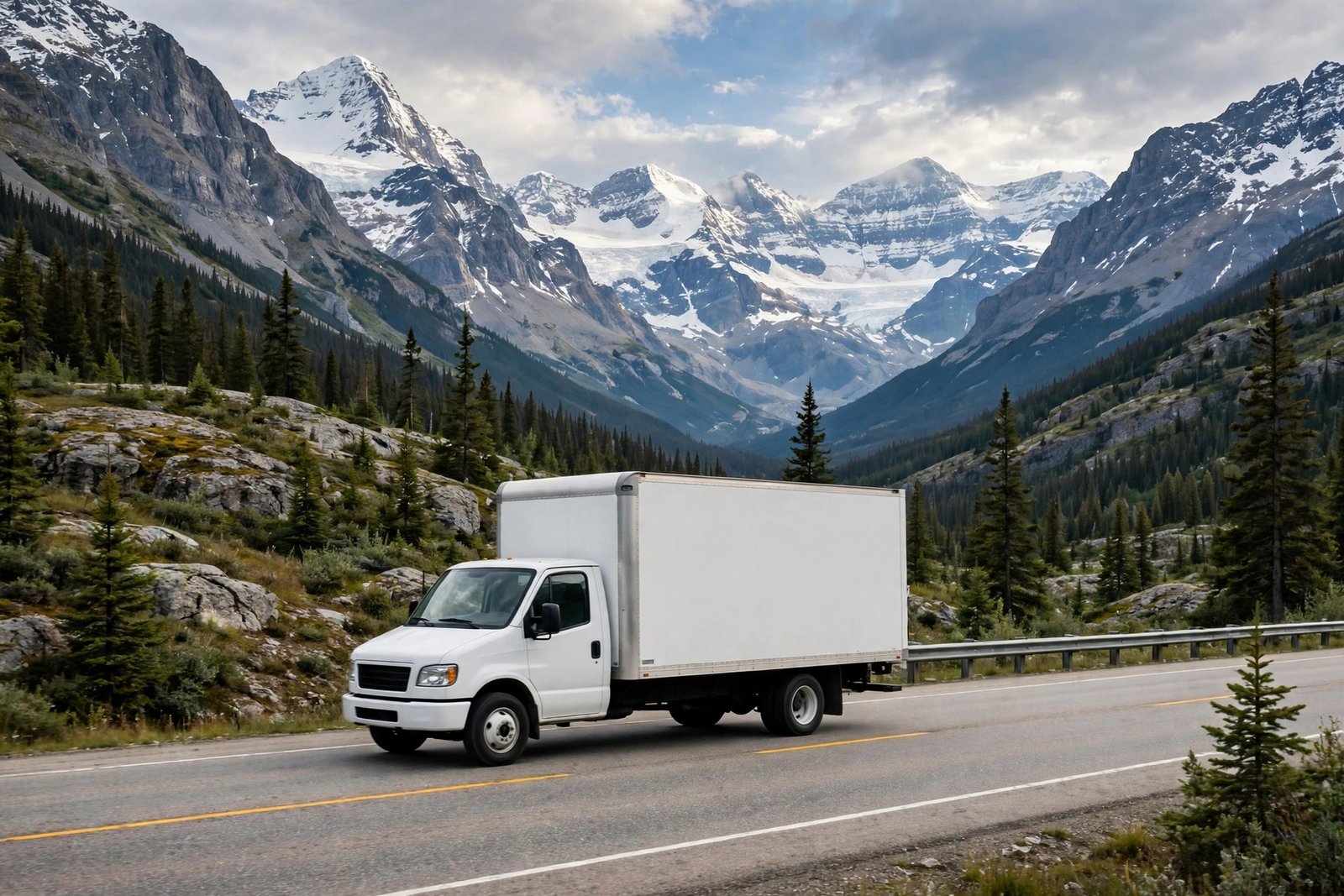
From food delivery in busy downtowns to long-haul trucking between provinces, driving work keeps Canada moving. Driving and delivery jobs in Canada range from flexible part-time roles using your own car to full-time professional positions driving commercial trucks. The licence you need, and the rules you must follow, depend entirely on the vehicle and the job. This guide explains the main categories, licensing basics, eligibility requirements and how to apply safely.
The Main Types of Driving Jobs
Food and Parcel Delivery (Light Vehicles)
Delivery drivers use cars, small vans or even bicycles and e-bikes in dense city areas. Work is offered by restaurants, courier companies, grocery and retail delivery services, and app-based platforms. This is the most accessible category, usually requiring only a standard full driver’s licence, but the details differ: some employers hire you as an employee, while app platforms generally treat drivers as independent contractors, which affects taxes, expenses and protections.
Courier and Van Driver
Courier companies and logistics firms hire drivers for set routes delivering parcels and business shipments. Employers typically provide the vehicle, a uniform and a handheld scanner. A clean driving record and the ability to lift parcels safely are standard expectations.
Truck Driver (Commercial)
Truck drivers move freight locally, regionally or across the country and into the United States. Long-haul trucking is a major occupation in Canada and involves the highest licensing and training requirements. Drivers must manage hours-of-service rules, logbooks or electronic logging devices, vehicle inspections and border documentation for cross-border routes.
Bus, Transit and School Bus Driver
Transit agencies hire bus operators for city transit systems, and school bus companies hire drivers for morning and afternoon school routes. These roles require specific licence classes, medical fitness, background checks (including vulnerable sector screening for school routes) and paid training, which many employers provide.
Taxi and Ride-Hailing Driver
Taxi and ride-hailing services are regulated at the municipal or provincial level. Requirements commonly include a minimum driving experience, a vehicle that meets age and safety standards, background checks and, in some cities, a specific permit or licence class.
Canadian Driver’s Licences: The Basics
Driver licensing is handled by each province and territory, and class names differ slightly, but the structure is similar across Canada:
- Standard passenger vehicle licence: Allows you to drive cars and light vehicles. New drivers go through a graduated licensing system (for example, learner and novice stages) before earning a full licence, and novice-stage restrictions, such as zero blood alcohol and passenger limits, apply until graduation.
- Commercial classes: Larger vehicles, trucks with air brakes, and passenger-carrying vehicles require higher licence classes, additional knowledge and road tests, an air brake endorsement where applicable, and a medical examination.
- Motorcycle licence: A separate class with its own graduated stages.
Job postings will state the required class, for example a full standard licence for delivery vans or the appropriate commercial class for tractor-trailers. Do not apply for roles requiring a class you do not hold; driving commercially without the correct licence is illegal and uninsured.
If Your Licence Is From Another Country
New residents can usually exchange a licence from certain countries or use their foreign licence for a short period, depending on the province. Others must pass knowledge and road tests through the graduated system. Some provinces recognise documented driving experience from abroad, which can shorten the waiting periods. There is no single national rule, so check the official driver licensing website of the province where you will live. An International Driving Permit can support a foreign licence temporarily for visitors but is not a substitute for a provincial licence when you reside and work in Canada.
Eligibility and Common Employer Requirements
- Legal right to work in Canada, such as citizenship, permanent residence or a valid work permit.
- Minimum age: Many employers and insurers require drivers to be at least 21 or 25 for commercial insurance purposes, even where the legal driving age is lower.
- Clean driving record: Employers routinely request a driver’s abstract (your official driving record) and may disqualify applicants with serious offences, recent at-fault collisions or licence suspensions.
- Background checks: Standard for roles involving homes, schools, cash or valuables.
- Medical fitness: Required for commercial classes and some passenger roles.
- Vehicle and insurance (for gig and own-car roles): Your personal auto insurance may not cover commercial delivery use. You must tell your insurer about delivery or ride-hailing work; driving commercially on a personal policy can void coverage. Some platforms provide supplemental insurance while you are working, but read the terms carefully.
Understanding Pay Structures
Employee drivers are usually paid hourly or by salary, with provincial employment standards covering overtime, breaks and vacation. Contractor and app-based drivers are typically paid per delivery or trip, plus customer tips in some services, and must cover fuel, maintenance and vehicle wear themselves. Before accepting contractor work, calculate your real costs, set aside money for income tax and Canada Pension Plan contributions, and confirm whether you need to register for GST/HST once your self-employment income passes the federal threshold. Official Canada Revenue Agency guidance explains these obligations.
How to Apply Safely
Search through Job Bank Canada, the career pages of courier, trucking and transit companies, and municipal transit authority websites. Prepare your licence, driving abstract (available from your provincial licensing office, sometimes for a small official fee), and a short resume emphasising your driving experience and safety record.
Be wary of anyone who offers a driving job in exchange for an upfront payment, asks you to buy a vehicle or “starter kit” from them, or wants you to receive and forward packages or payments from home. Reshipping and money-handling “jobs” are known fraud and money-laundering schemes. Legitimate employers interview you, verify your licence and record, and put pay terms in writing.
Conclusion
Driving and delivery jobs in Canada offer options at every level, from part-time local delivery with a standard licence to professional long-haul trucking with commercial certification. The key is matching the job to the correct provincial licence class, keeping a clean record, and understanding whether you are an employee or a contractor before you sign anything. Licensing rules, insurance requirements and job details change and vary by province, so always confirm them through official provincial licensing sources and the employer’s official website before applying.