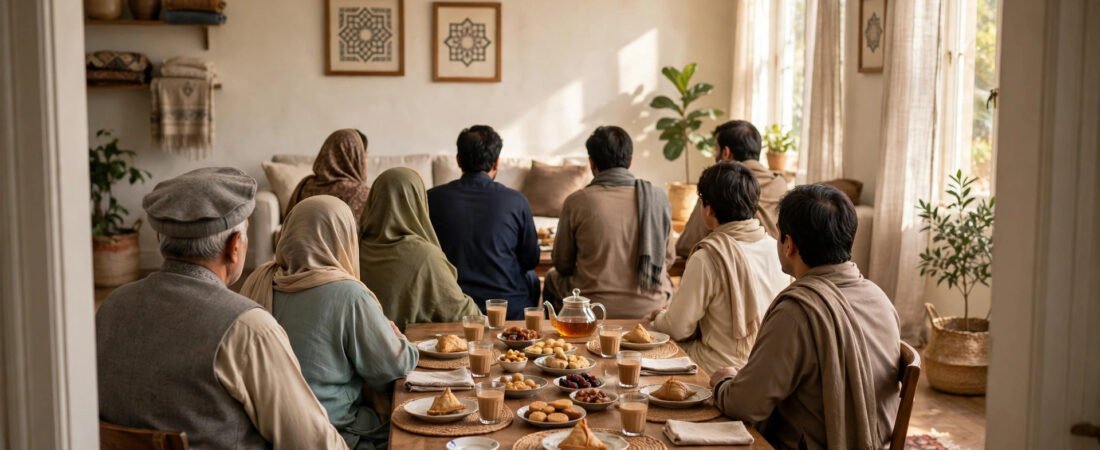
In Pakistan, a rishta meeting is rarely just a meeting between two people. Parents, siblings, and sometimes trusted elders are part of the process, offering experience, asking questions the couple might overlook, and helping to judge whether two families can build a comfortable relationship. For many, this involvement is reassuring rather than pressuring.
At the same time, family involvement works best when it is organised and balanced. Without preparation, meetings can become crowded, repetitive, or dominated by a few voices, leaving the two people at the centre with little chance to understand each other. This guide explains how families can help while keeping the process respectful and clear.
Why Families Are Involved
Marriage in Pakistan usually joins households as well as individuals. Families may share celebrations, support each other in difficult times, and often share a home or live nearby. It is therefore reasonable for families to meet, ask questions, and form their own impressions.
Family members also bring perspective. Parents may notice practical issues — distance, lifestyle differences, financial expectations — that a younger person focused on a first impression might miss. Siblings can provide a more informal view and help the person feel at ease.
Recognising these benefits helps everyone treat the meeting as a shared task: gathering enough information and goodwill for a sound decision, not winning an argument or conducting an inspection.
Decide Roles Before the Meeting
A meeting goes more smoothly when each person knows their role. Before guests arrive or before you leave for a visit, agree briefly on the following points.
Who will lead the conversation?
Usually a parent or elder opens the meeting, welcomes the other family, and guides the early conversation. Having one main host prevents several people from asking questions at the same time and keeps the tone steady.
Who will ask which questions?
Divide important topics in advance. One person might ask about education and work, another about living arrangements and family routines. This avoids the same question being asked three times, which can feel like an interrogation, and ensures important topics are not forgotten in general conversation.
What is the role of the prospective couple?
Agree on how the two people considering marriage will take part. In some families they join the full meeting; in others they speak separately for part of the visit, within the family’s comfort and customs. What matters is that their participation is planned rather than left to chance, and that both sides understand the arrangement beforehand.
Prepare the Setting
Small practical choices affect the atmosphere. Choose a time that does not rush either family, and keep attendees to a reasonable number. A very large gathering can overwhelm guests and leave little room for real conversation.
If the meeting is at home, a quiet, comfortable space matters more than elaborate arrangements. Refreshments are a kind part of Pakistani hospitality, but the meeting’s purpose is conversation; serving food should not become the main event. If a family prefers a neutral place or a trusted intermediary first, respect that preference without taking offence.
Share basic information beforehand — names and relationships of those attending, expected duration, and any customs the other family may not know — so nobody is surprised.
During the Meeting: Conversation With Balance
Begin with general, comfortable topics before moving to serious ones. Conversation about work, the neighbourhood, and everyday life helps everyone relax and gives a natural picture of the other family.
When serious topics arise, ask open questions and listen to the full answer. Questions about education, work plans, living arrangements, and expectations after marriage are normal and expected. They should be asked once, clearly, and without sarcasm or comparison to other proposals. Comparing a guest to another rishta in front of them is discourteous and rarely produces honest answers.
Watch for balance in speaking time. If one elder dominates, another family member can gently bring others in — for example, by inviting the mother, a sibling, or the prospective bride or groom to share their view. The impressions of quieter family members often matter a great deal later.
Also observe how the other family treats its own members and guests: whether people listen to each other, how differences are expressed, and whether the person being discussed is spoken about with respect. These observations are as informative as any direct answer.
Support Without Taking Over
The most delicate balance in a rishta meeting is between guidance and control. Parents naturally want to protect their son or daughter, but a meeting in which the central person barely speaks gives the other family an incomplete picture and gives that person little ownership of the decision.
Encourage the prospective couple to express their own questions and views, in whatever format the families have agreed. If a parent disagrees with something their son or daughter says, it is usually better to note it for private discussion later than to correct them sharply in front of guests.
Equally, family members should avoid making commitments on the spot on someone else’s behalf — about dates, living arrangements, or financial matters — unless those points have been discussed and agreed in advance.
After the Meeting: Discussing and Deciding
Once the guests have left, allow a little time before the family verdict begins. Immediate, heated discussion can fix first impressions too firmly. A calmer approach is for each person to share, in turn, what they found positive, what concerns them, and what remains unclear.
Give the view of the person who would be marrying particular weight. Family concerns about practical matters deserve a fair hearing, but a decision that ignores the individual’s own considered response is unlikely to rest on a stable foundation.
If both sides remain interested, agree on the next step and its timing: a second meeting, a phone conversation, or time for reflection and prayer. Communicate the outcome to the other family within the time you promised, whether the answer is yes, no, or a request for more time. A polite, timely decline is far kinder than silence, which leaves the other family waiting and unable to move forward.
If concerns arise from the meeting, distinguish between matters that can be clarified with one more question and matters that suggest a genuine incompatibility. Not every difference is a reason to end the process, but repeated discomfort should not be brushed aside either.
Handling Differences Between Generations
Disagreements within a family about a proposal are common. Elders may prioritise family background and stability; the person marrying may prioritise education, temperament, or shared outlook. Neither set of priorities is foolish. Naming the difference honestly, and discussing which points are essential, usually produces a better decision than pressure or resentment.
If discussion becomes stuck, involving a trusted, neutral family friend or elder can help — provided everyone agrees to their involvement.
Conclusion
Family involvement is a strength of the Pakistani rishta process when it is prepared, balanced, and respectful. Clear roles, a comfortable setting, fair conversation, and a calm decision process allow families to support the two people at the centre rather than overshadow them. Handled this way, a rishta meeting becomes a dignified first step towards a decision everyone can stand behind.